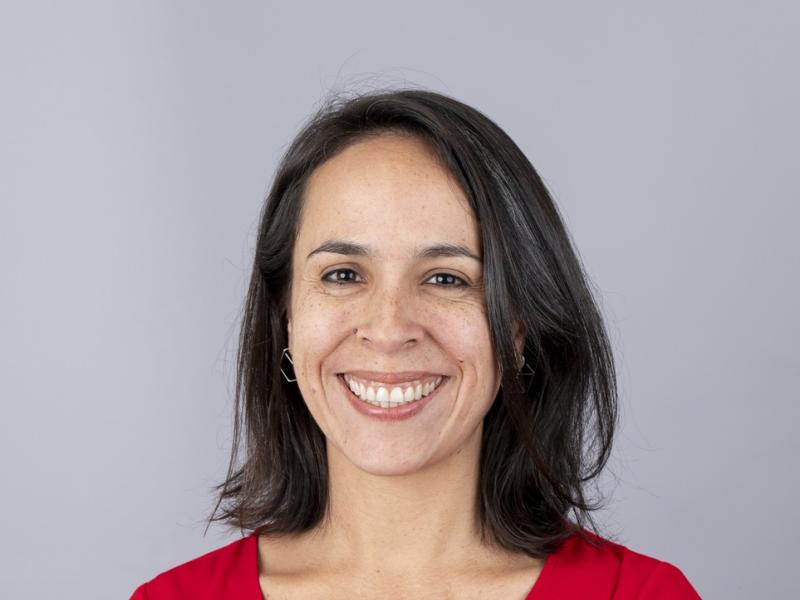
Principal Investigator:
Prof Margarita Moreno-Betancur
Researchers:
PhD Students:
Collaborators:
Prof John Carlin
Prof Stijn Vansteelandt
Causal inference in health data science: advancing understanding and methods

The ultimate goal of medical and health research is to improve patient outcomes and population health. As a result, the overwhelming majority of clinical and public health research studies ask “causal” questions, concerning the effect of treatments, policies, behaviours and other exposures on health outcomes. In many cases, especially in the current era of data deluge, these studies rely on observational (non-randomised) data to address causal questions. Examples include longitudinal cohort study data, electronic medical records or linked administrative data. Therefore, recent understanding of the challenges of making causal inferences, and related analytical methods, including those incorporating machine learning, are critical to modern health data science.
This program of methodological research aims to develop, disseminate and promote the adoption of modern causal thinking and related methods in medical and health research, through research within the following (sometimes overlapping) strands, motivated by challenges we encounter through our embedment in a medical research institute:
- Target trial emulation and bias analysis
- Causal mediation analysis
- Causal machine learning
- Missing data in causal inference (see also here)
- Teaching and practical guidance
Further resources:
o Statistical analysis plan template for observational studies: https://figshare.com/articles/_/12471380
o Software: https://github.com/moreno-betancur
o More resources: https://moreno-betancur.github.io/
o Short course - Observational studies: Modern concepts and analytic methods (ran twice yearly, see details here)